
Ray-Ban Wayfarer: the story of a model that became a legend
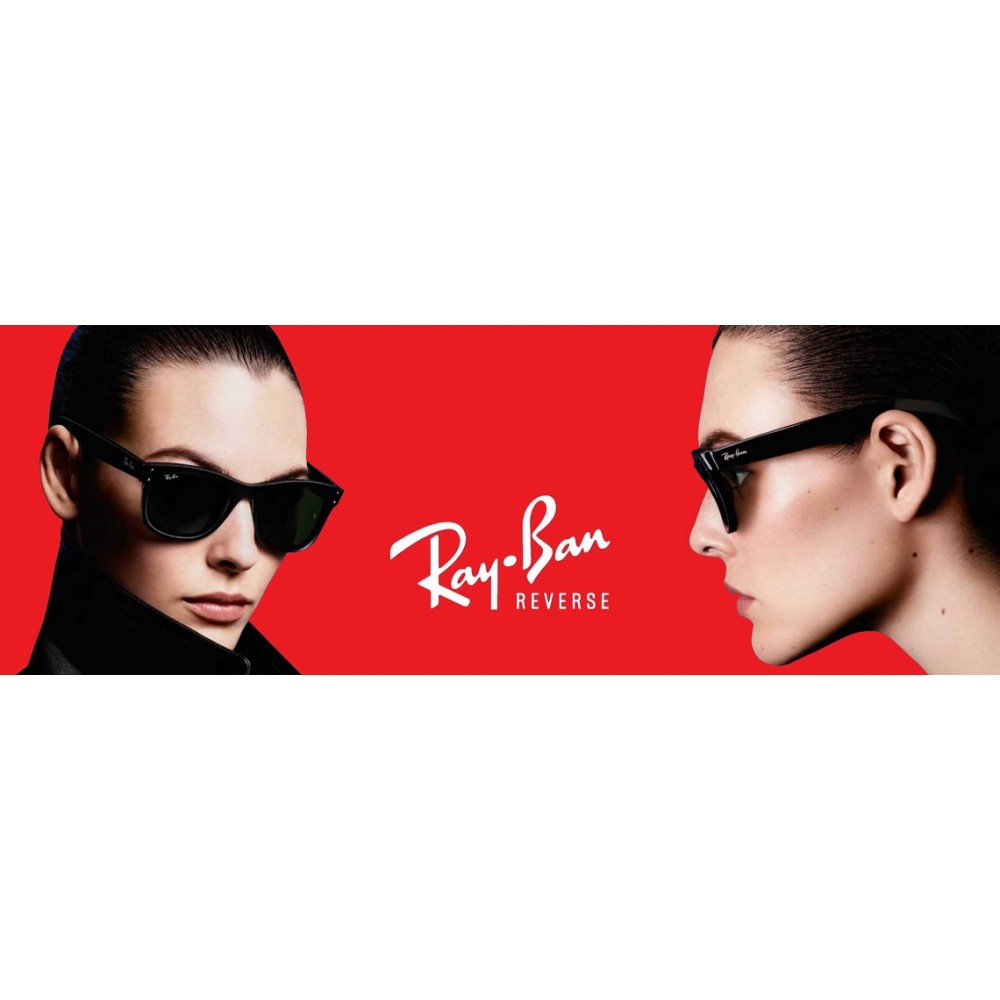
Ray-Ban Wayfarer — this is the case when glasses stopped being just an accessory and became a part of culture. You can recognize them even without a logo: a massive plastic shape, clear geometry, and that unique character that is hard to confuse with other models.
Interestingly, this model did not look like an obvious hit at the start. On the contrary, it stood out from what was then considered the "norm" for sunglasses.
How Ray-Ban Wayfarer appeared
The Wayfarer model was released in 1952 — it was a bold move by Bausch & Lomb (the then-owner of the Ray-Ban brand). Designer Raymond Stegeman created a frame that was radically different from anything else on the market.
At that time, thin metal frames and extremely restrained shapes dominated. The Wayfarer was the opposite of this approach — a massive trapezoidal acetate frame looked unusual and even slightly rebellious.
It was this boldness that made the model stand out.

How Wayfarer differs from other models
Wayfarer glasses don't just complement a face; they shape the look. They are easily recognized by:
- trapezoidal frame shape
- thick acetate
- a clear top-line edge
- expressive geometry
They add structure and graphic quality to the face, making them look more "distinctive" than classic metal models. That is why people either love Wayfarers immediately or don't like them at all — it's not a universal neutral option.
If you are interested in how the brand's history began in general, it is worth reading the article about Ray-Ban Aviator — the company's first iconic model.
The culture that made the model a legend
The popularity of the Wayfarer skyrocketed when pop culture began to use them. The glasses appeared in famous films and gradually became part of the image of actors, musicians, and public figures. This cemented the model's association with freedom, confidence, and a bit of rebellion.
Important: this was not artificial marketing. The model was actually worn in everyday life, and that is exactly what made it iconic.
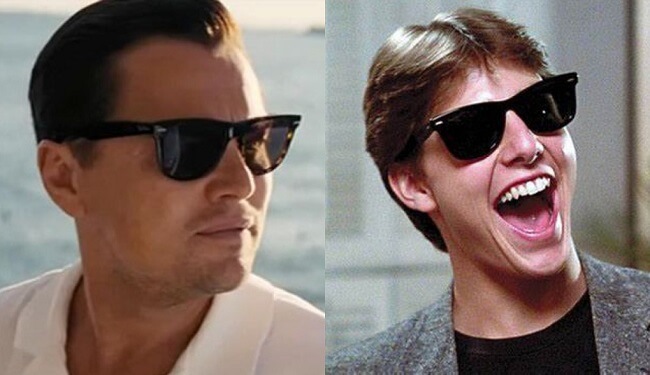
Modern Ray-Ban Wayfarer
Today, Wayfarers have kept their shape but gained modern technologies:
- polarized lenses
- mirror coatings
- new frame colors
- lighter materials
- lightweight versions for everyday wear
The main silhouette has remained almost unchanged since 1952. Current models can be viewed in the catalog of Ray-Ban sunglasses in the Zirochky store.
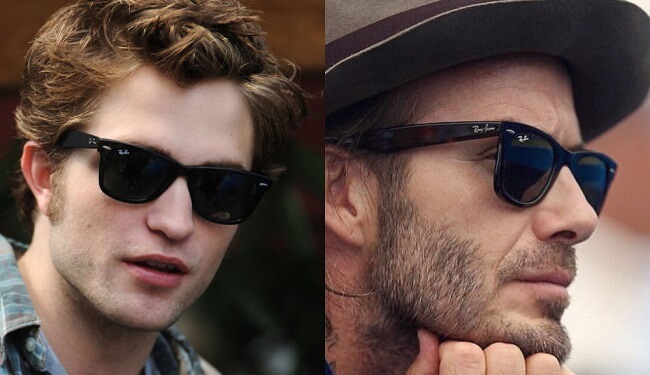
Who suits Wayfarer
Wayfarers work well on different face types, but they are best suited for:
- oval faces — perfect balance
- round faces — add structure
- soft features — create contrast
For sharper, square facial features, the New Wayfarer version with softer lines is better. That is why this model often becomes one's first pair of designer glasses.
Frequently Asked Questions
How do original Ray-Ban Wayfarers differ from fakes?
Originals have clear engraving, quality hinges, and even assembly without play.
Which size to choose?
50 mm — for narrow faces, 54–55 mm — for medium and wide faces.
Are they suitable for driving?
Yes, especially models with polarized lenses.
Why Wayfarer are still relevant
Wayfarers don't live by the rules of seasonal fashion. Some models disappear after a year or two, while others simply remain in wardrobes for decades. Wayfarers are in the second category. They don't try to be a trend; they have already become a classic.
Conclusion
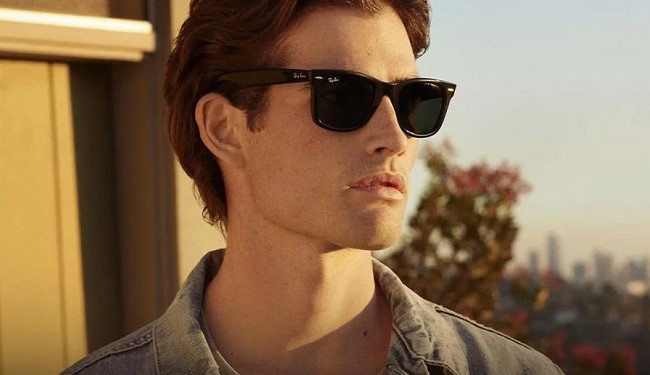
Ray-Ban Wayfarer is an example of how a simple design idea can become a long-lasting style icon. A model that is over 70 years old remains relevant and recognizable all over the world. Wayfarer is not about fashion; it is about stable style that does not depend on time.
There are no comments for this post.